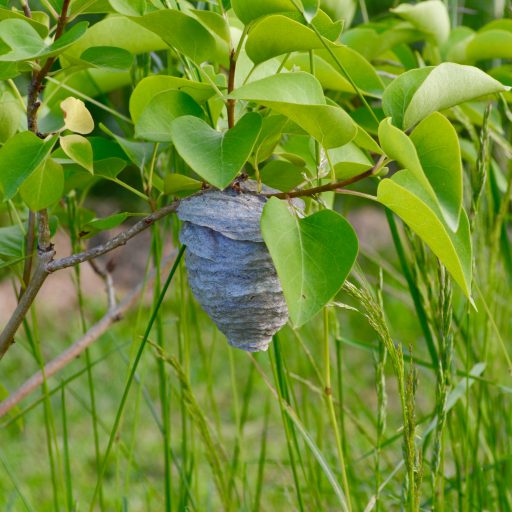
I went to Beaver Camp a couple weeks ago. I recommend it to anyone interested in the natural world or the human environment. That covers a lot of ground, I know, but so do beavers.
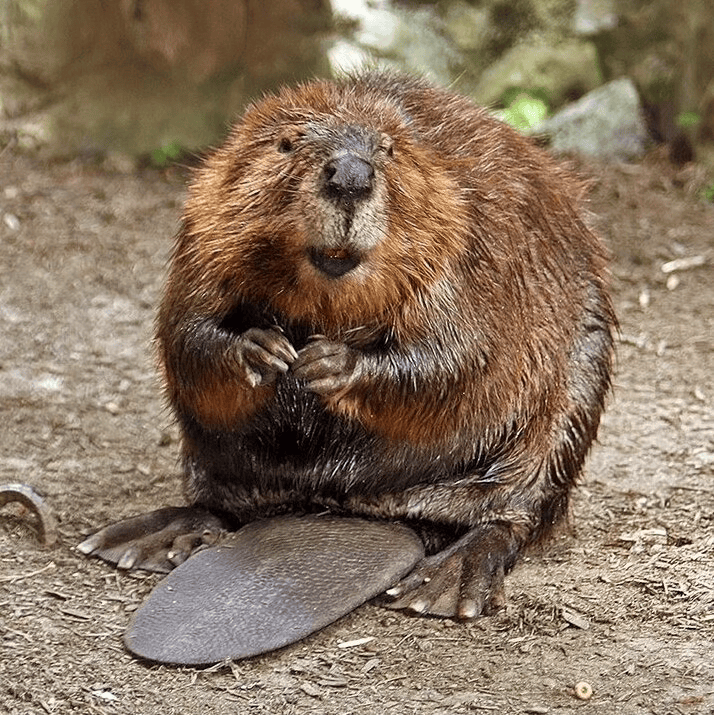
By Steve from Washington, DC, USA – American Beaver, CC BY-SA 2.0, https://commons.wikimedia.org/w/index.php?curid=3963858
Beaver Camp is a collaboration between North Branch Nature Center (East Montpelier, VT, https://northbranchnaturecenter.org/) and Bonnyvale Environmental Education Center (West Brattleboro, Vt, https://beec.org/). It is a two day workshop on all things beaver. What’s not to love?
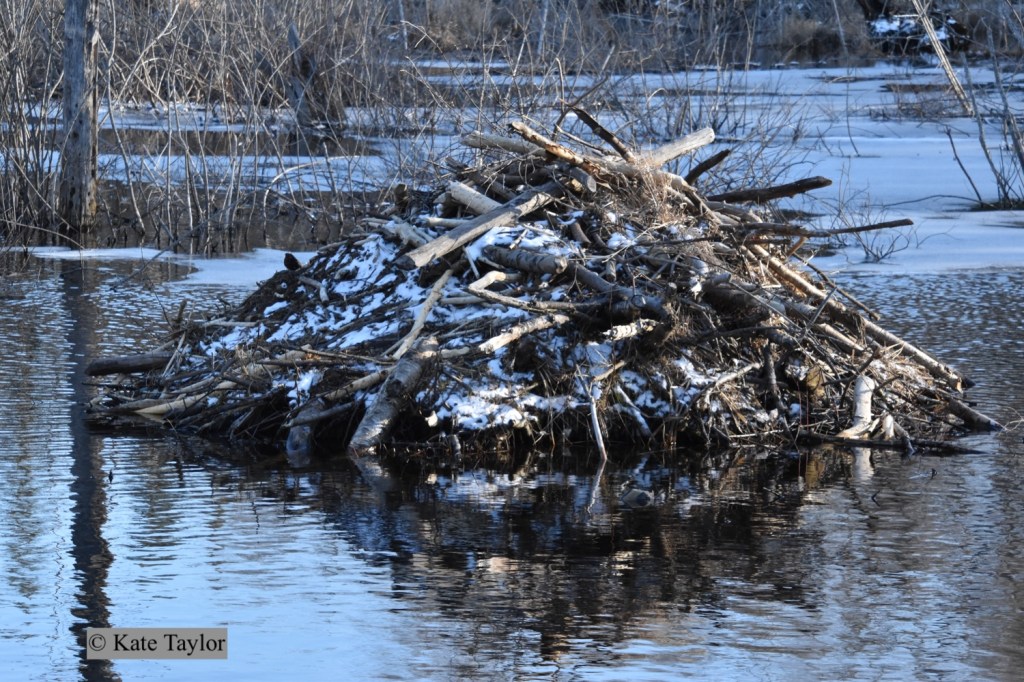
Beaver Camp began with a discussion, by Patti Smith from Bonneyvale, about beavers and how they live. Patti has spent her career in close proximity with beavers, including working as a wildlife rehabilitator with baby beavers. Her knowledge comes from walking through beaver habitat and watching these beautiful and industrious animals as they go thorough their lives.
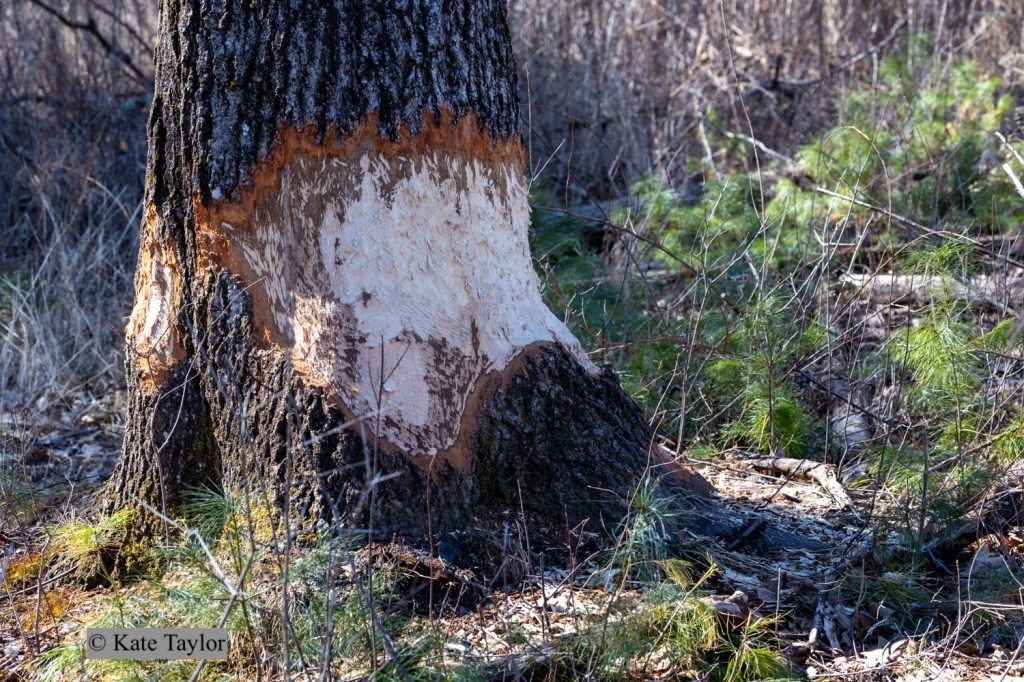
There are two species of beaver in the world, the North American beaver Castor canadensis and the Eurasian beaver C. fiber. Both species were historically hunted and trapped extensively and their populations were decimated. In North America, trapping nearly drove the entire beaver population to extinction by the mid 1800’s. In Vermont beavers were essentially exterminated until they were reintroduced and given some legal protection. Today there are around 12,000 beavers in Vermont, compared with the estimated 120,000 prior to European colonization.
Ironically enough it may have been a fashion statement rather than ecological thinking which saved beavers from total extinction. Beavers were originally prized for their fur which was made into hats. When markets opened in the Far East silk was introduced to the West. Silk replaced beaver fur as the fashion choice for hats and the price of beaver pelts dropped to a point where it was no longer worth hunting them. That’s a lucky chance that prevented us from living in a world in which the beaver was another extinct curiosity, rather than the useful and fascinating animal we know today.
Beavers are the second largest rodent in the world, and, like all rodents they have a pair of continuously growing incisors in their upper and lower jaws. They use those jaws to spectacular effect in building the dams and lodges for which they are famous. They cut down trees both for building purposes and for eating. They use larger branches to create lodges and dams while feeding on the tender shoots and leaves, although they will also eat the cambium layer just under the bark of larger trees, especially when food is scarce.
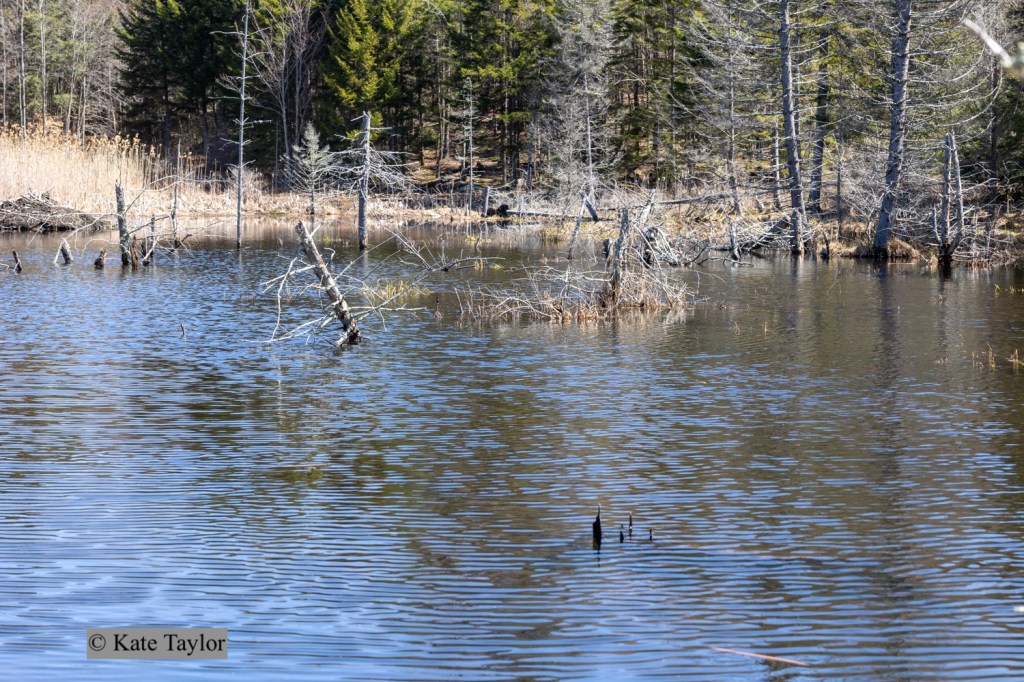
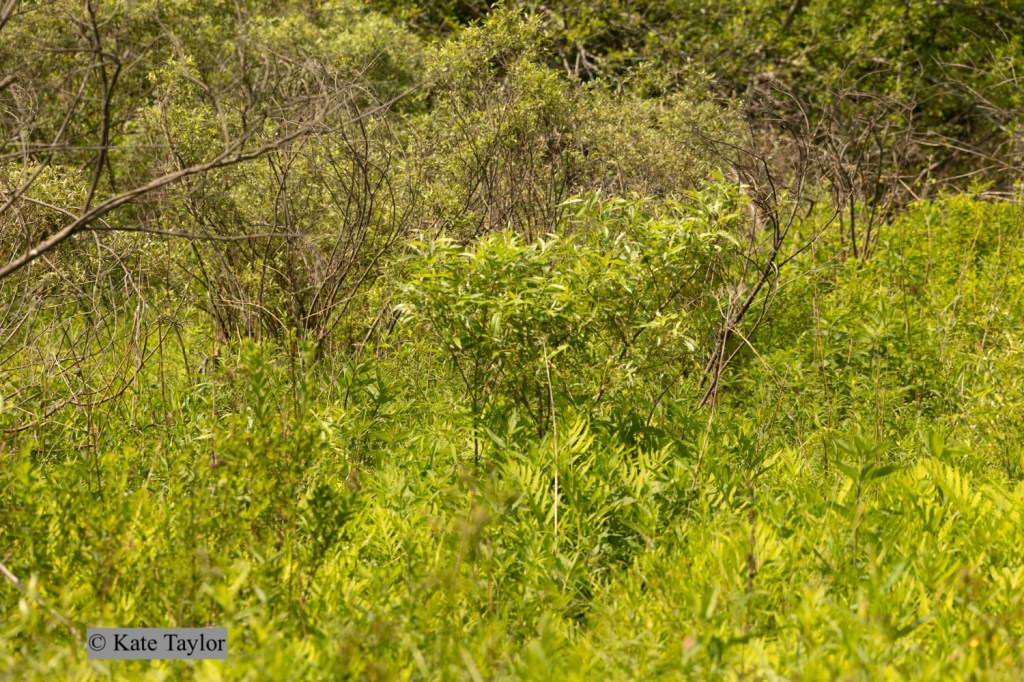
They are particularly fond of willows and aspens which are both plants that thrive on thinning. Nibble down a few branches and ten more will grow in to replace them, creating thickets of fresh food as well as undercover to hide in. We tend to think of beavers as living in ponds, but ideally they will create a complex of ponds and wet channels allowing them to move over a large area without going too far from the security of water. They are fleet and confident in the water, but are vulnerable on land.
Beavers are clever, family oriented and industrious. One thing that struck me about beavers is their strong sense of touch. We humans are mainly visual, whereas beavers don’t have great eyesight. They have a good sense of smell, but they use their sense of touch to find the source of water currents as they swim and they are sensitive to the flow of water. This is what leads them to build dams. They feel the water moving and are drawn to stop it. That can be a problem when it comes to human beaver relationships. To a beaver a culvert under a road is a nice big dam with a hole in it. They want to plug it.
Baffles and fences don’t stop them from damming the flow unless those barriers can prevent the sensitive beavers from feeling any movement of water. That’s not easy. During camp we heard from Skip Lisle, creator of the “Beaver Deceiver” (https://beaverdeceivers.com/). Skip has spent his career trying to ease the conflict between beavers and humans. He has designed a system which uses long pipes and wire cages to redirect the beaver’s energy to areas of a pond that will not block a culvert or flood a particular area.
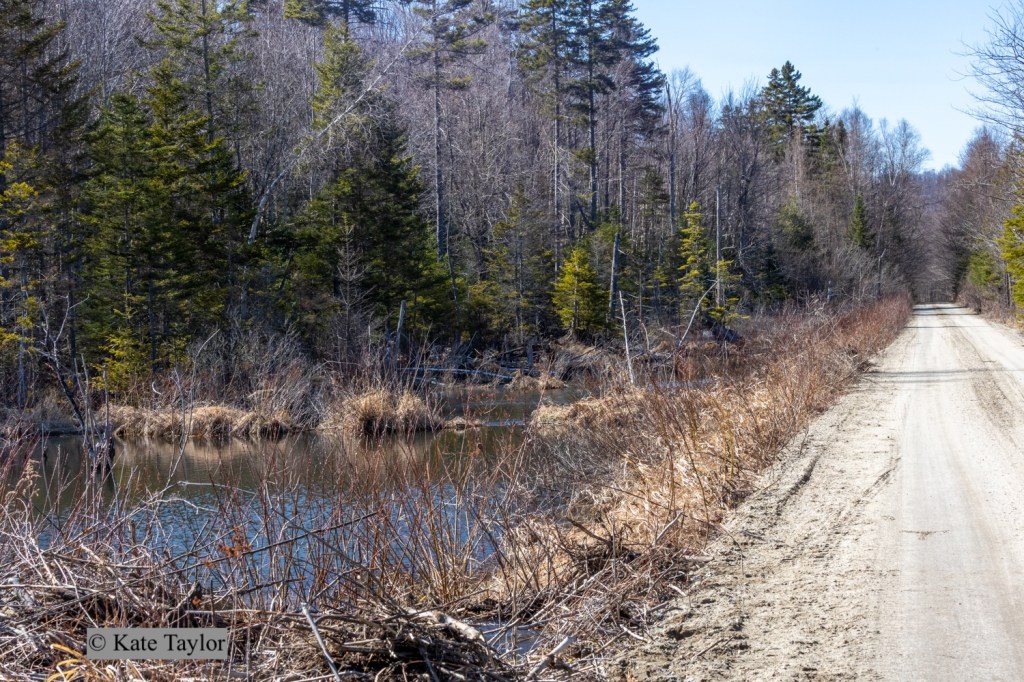
We spent an afternoon at Sage Mountain (https://sagemountain.com/2025/07/10/first-ever-beaver-coexistence-project-with-landowner-vtrans-launches-in-orange-vermont/) examining the Beaver Deceiver that Skip had installed there in 2025. It was great to see it in action, to see what worked and what didn’t. Skip donned his hip waders and jumped in to take a close look and make some suggestions for changes that would improve the performance. Rod, from Sage Mountain Botanical Sanctuary talked to us about the many advantages that come from keeping beavers on the property and how he worked with VTrans to make the project happen.
He said the Beaver Deceiver needed maintenance to keep the beavers from creating a work-around, but that the landscape created by the beavers was worth the effort. He also said that maintenance on the Beaver Deceiver was less than that required to keep beavers out entirely and that working with the beavers, rather than simply breaking up dams or killing the beavers, had the potential to save the state thousands of dollars a year on just the one culvert. In other words, beavers earn their keep.
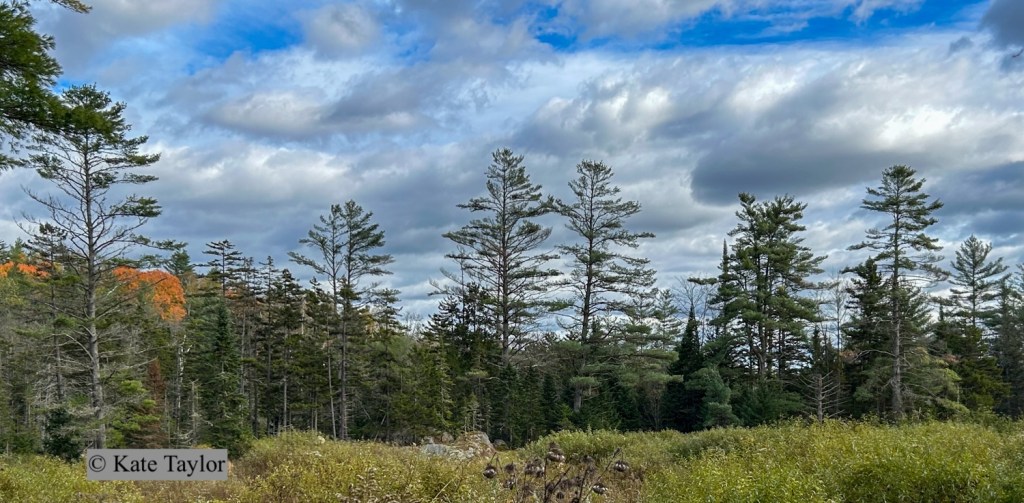
Beavers are a keystone species, meaning that many other plants and animals rely on them to create habitat. Beavers don’t just live in wetlands, they help create and maintain them. In my next blog post I’ll look at the other half of Beaver Camp, learning the ways of rivers and the importance of beavers to our ecosystem.
Thanks for looking,
Stay well, be curious, love diversity,
Kate
October 2026
If you enjoyed this post perhaps you will enjoy these as well.
© Kate Taylor – all photos by Kate Taylor unless otherwise noted.
This was written by a human (me) without the use of AI.
Discover more from The Nature of Things
Subscribe to get the latest posts sent to your email.


