In my last post I discussed scientific naming in general and I promised to dig into butterflies a bit deeper. If you look at the tree of life it begins with the basic divisions of life into the three major Domains: Bacteria on one “limb” and Archaea and Eukaryota which quickly branch from each other on a second “limb” of the tree. From here life branches into different Kingdoms. All animals are in the Domain Eukaryota, Kindgom Animalia.
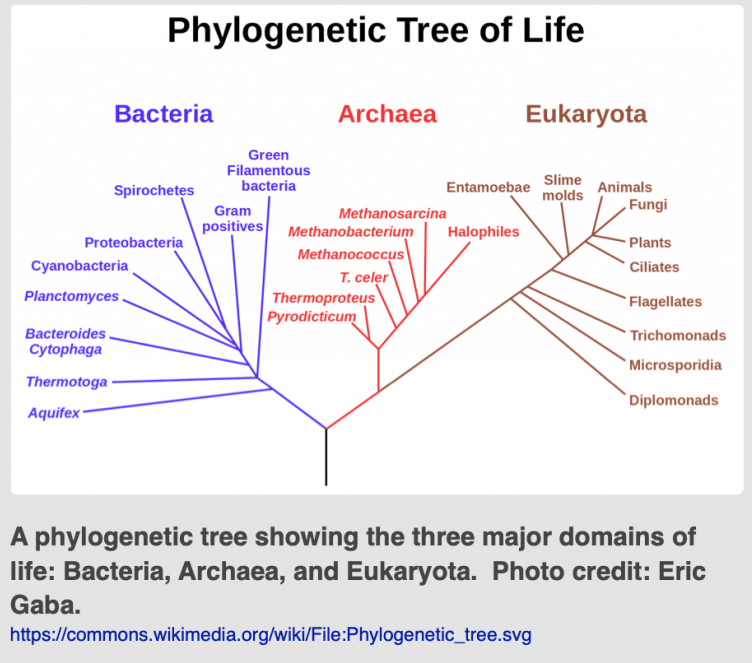
The hierarchy for the tree of life is, from the most broad to the most specific:
there can be other sub-categories as well, but theses are the general divisions
Domain -Kingdom – Phylum – Class – Order – Family – Genus -Species

Butterflies share the Kingdom Animalia with dogs, cats, humans, fish, birds, and all other animals, including the more esoteric like starfish, waterbears and worms. They share traits that all animals share. They can reproduce, metabolize food, and more, but beyond this not all animals share all traits. Mammals are in the Phylum Chordata, meaning animals with a vertebrae, while insects are in the Phylum Arthropeda, meaning they have an exoskeleton, joined appendages, segmented bodies and a few other characteristics. This group includes beetles, flies, moths, ants and other familiar insects, as well as ticks and spiders. There is still a big difference between spiders and beetles or butterflies, so there is further branching.
Spiders are in the Class Arachnida, while butterflies are separated from the general phylum into the Class Insecta (Insects) and so share traits with all other insects. They have 6 legs, a body composed of head, thorax and abdomen and other details common to all insects.
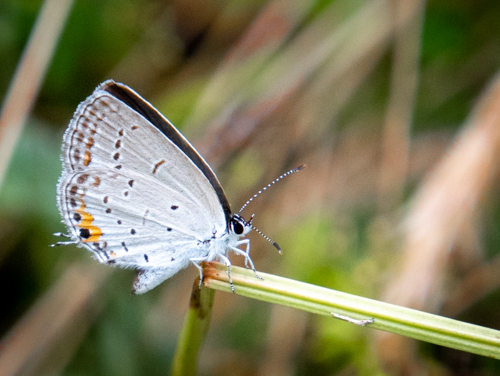
Family: Lycaenidae, Subfamily: Polyommatinae, Genus: Cupido, Species: comyntas.
Even more specifically, butterflies are a type of insect similar to moths. Both butterflies and moths are in the Order Lepidoptera, with all butterflies (and only butterflies) within the Superfamily Papilionoidea.
From there we get to the 6 Families of butterflies. Those families are: Brushfoots (Nymphalidae), Gossamerwings (Lycaenidae), Skippers (Hesperiidae), Swallowtails (Papilionidae), and Whites and Yellows (Pieridae) and Metalmarks (Riodinidae).
Within each family are Subfamilies, Genus, Species and sometimes Subspecies as well. It’s once you get to the species level and especially the subspecies level that the butterflies become so complex you sometimes need a microscope to tell them apart. It also important to note that changes are often made to taxonomy as scientists learn more, especially about the genetics of various species. There is still a lot to learn about butterflies. If you keep your eye out perhaps you will be the one to introduce new information to science.
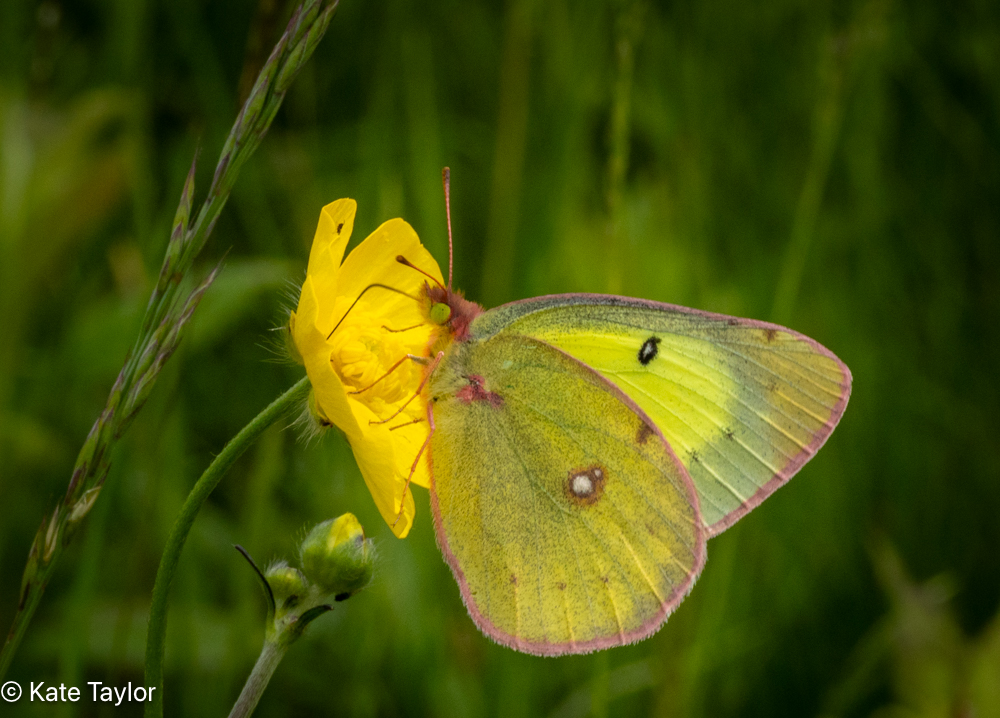
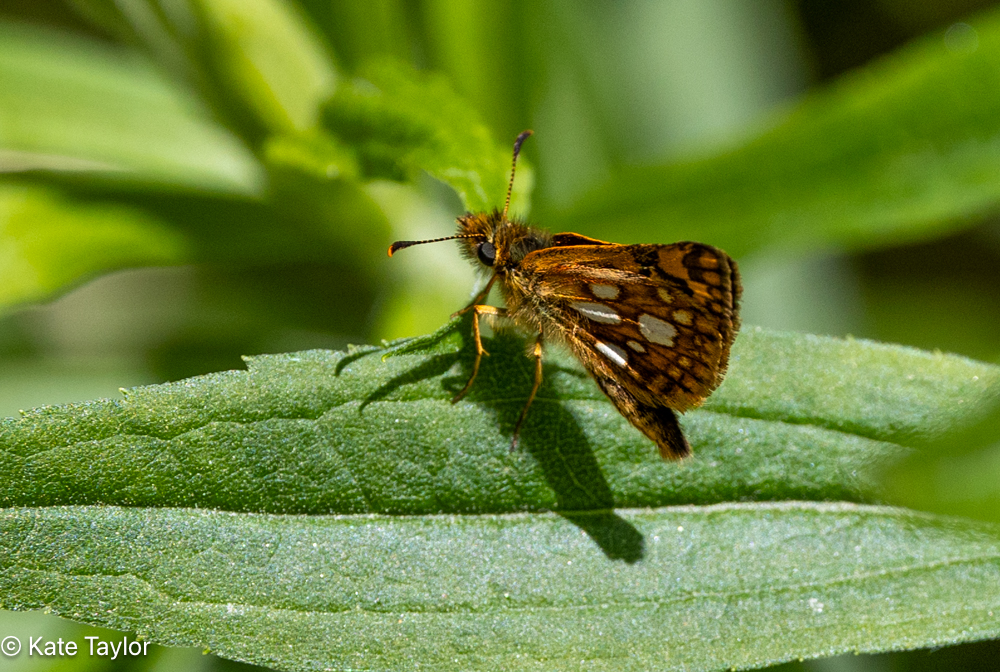
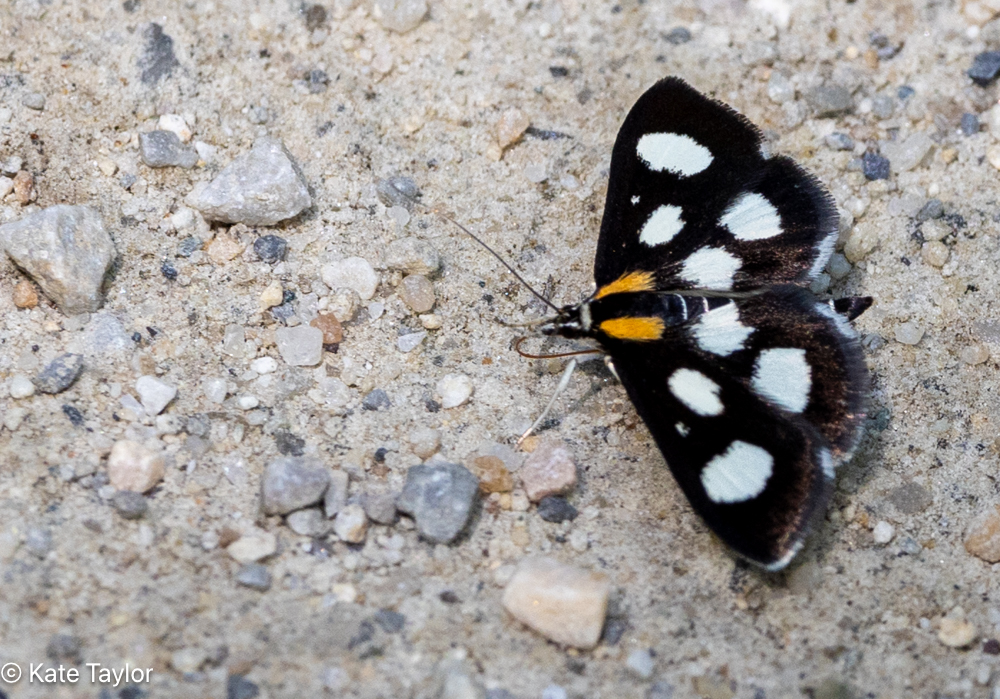
This is an Eight-spotted Forester Moth (alypia octomaculata).
Now, back to butterflies.
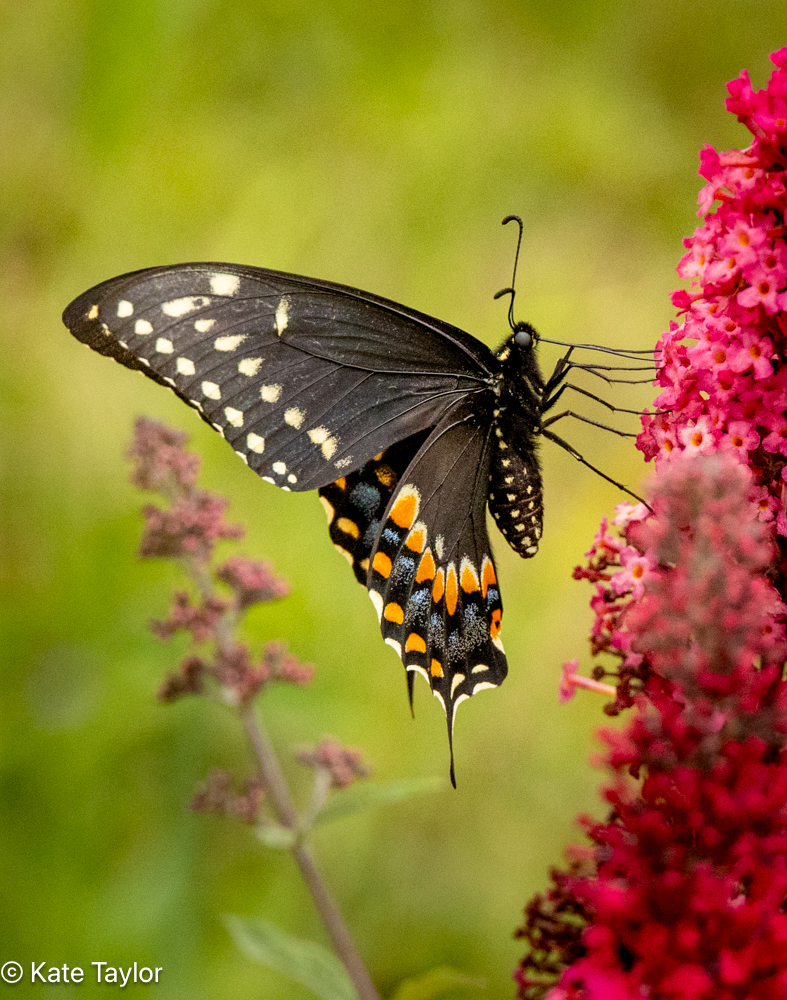
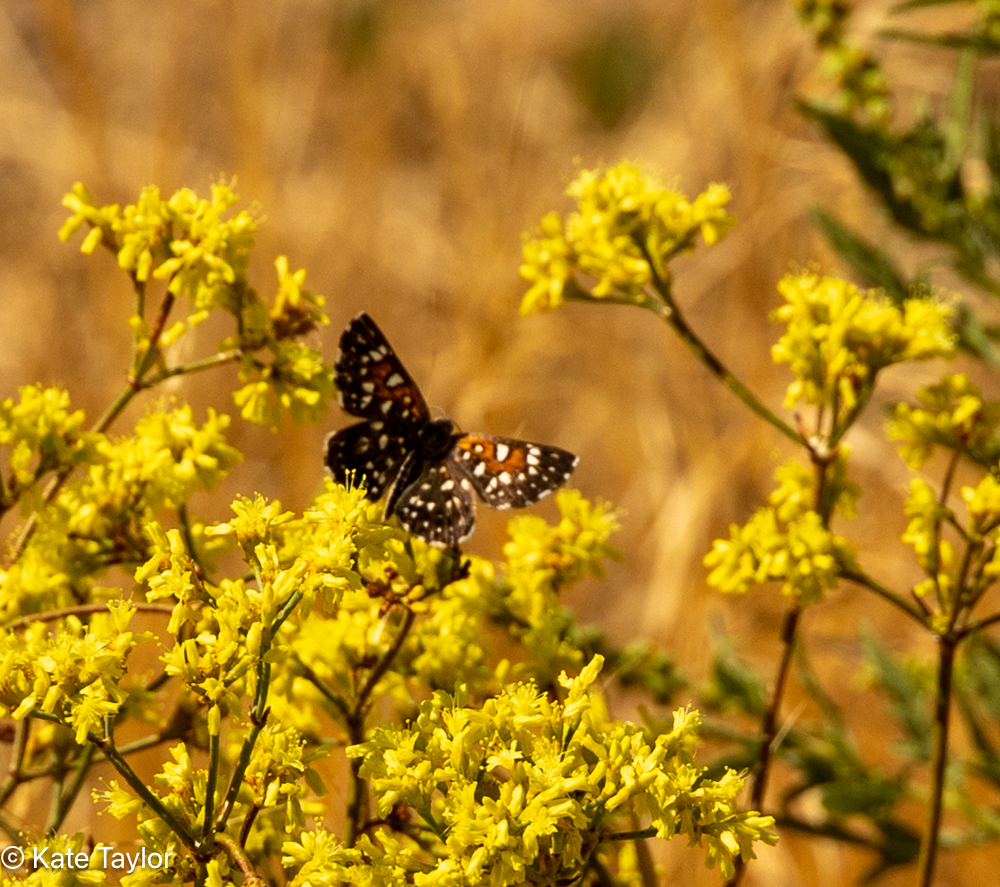
However you classify them, butterflies are beautiful creatures. It’s a privilege to share the world with them.
Thanks for looking,
Stay well, be curious, learn things.
Kate
July, 2024
If you enjoyed this post perhaps you will enjoy these as well.
- The Beauty of Winter
- Flying Tutus
- Glaciers to Gardens
- Night Lights in June
- Happiness Practice – Day 7
Discover more from The Nature of Things
Subscribe to get the latest posts sent to your email.

 The Nature of Things