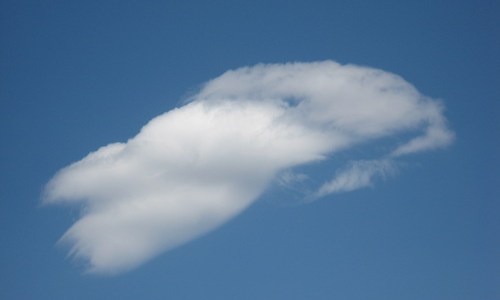
I’d like to introduce you to a cloud. It’s called Asperitas and it’s a beautiful thing (although it can accompany some ferocious weather).
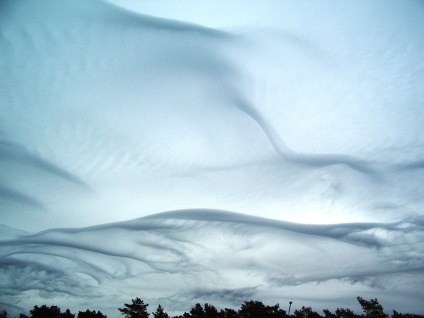
It was recently recognized as a supplemental feature of the species stratiformus by the World Meteorological Organization on March 23rd 2017 (World Meteorological Day).
Clouds are complicated things as anyone who has ever experienced weather knows. Air is full of water vapor and when that vapor cools it condenses and forms clouds. The water vapor consists of tiny droplets so light they blow around rather than falling, so precipitation only occurs when the vapor freezes into clumps of water droplets that are heavy enough to fall to the earth.
Clouds are broken into 3 main classes based on their place in the atmosphere (high, middle or low). Within those classes are 10 genera, 14 species and 9 varieties. Beyond that are a few special clouds with their own descriptions, for a total of around 100 different descriptions.

High clouds are those with a base roughly 6-18 k (3-11 miles) above sea level. There are three genera for high clouds:
cirrus, cirrocumulus and cirrostratus.
Middle clouds are from 2-4 k (1.25-2.5 miles) above sea level. Again there are three genera:
altostratus, nimbostratus, and altocumulus.
Low Clouds are 0-2k (0-1.25 miles) above sea level and the genera are:
cumulus, cumulonimbus, stratocumulus, and stratus.
As you probably noticed, several words show up often. Those are form descriptors.
Cumulus clouds are heaped, puffy clouds.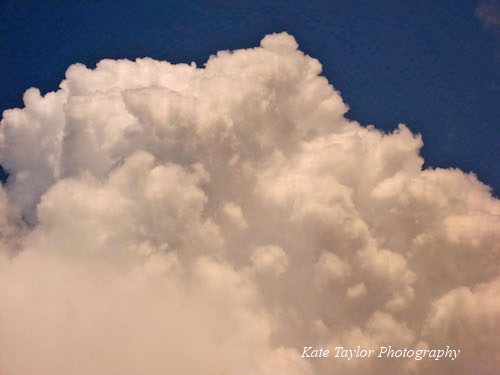
Stratus are sheet clouds, horizontal rather than piling up.
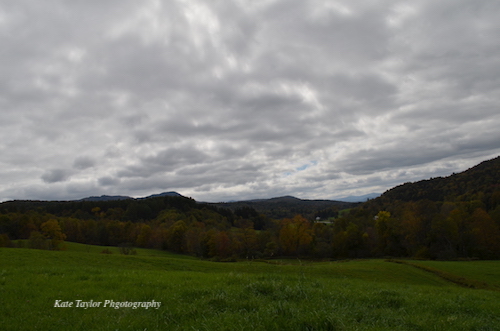
Cirrus clouds are wispy and fibrous.
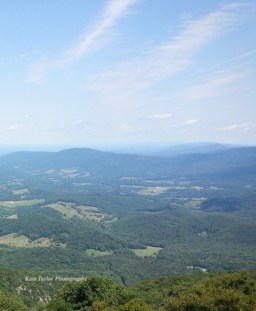
nimbus means rain bearing clouds
and alto is simply mid-level.
Then within each of these general forms the classifications become more and more specific. The 14 cloud species describe the shape and the form of the cloud. Species include include wonderful things like “uncinus” meaning shaped like a hook or comma, and spissatus which is “dense enough to appear grey near the sun,” cavum refers to a cloud with a hole in the middle.

Asperitas is the newest addition to the family. As a member of the species stratiformus we know it is stratus therefore a sheet cloud, not a puffy or fibrous one. However, stratiformus can be altocumulous or stratocumulous, so it becomes more complicated. Now we also know that asperias can be at middle or low levels in the atmospere and that it isn’t simply a sheet but also has puffy aspects. This sounds like a confused cloud. It looks like one too. The name fits perfectly!
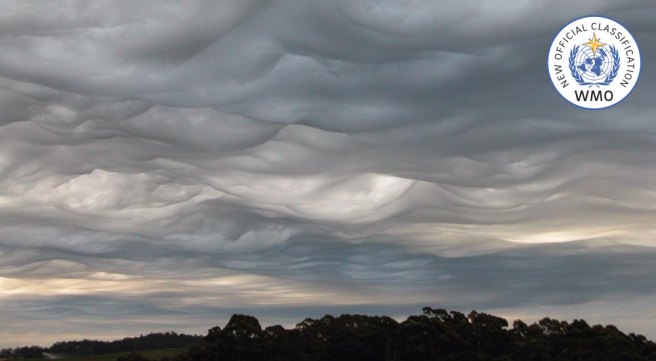
So, now that you have been introduced – ever so briefly – to clouds take a peek outside and see if you can tell what’s up.
You can get your own cloud chart here or see details of cloud classification here.
More sky posts:
beautiful objects in the sky
changing you mind
2017 eclipse
stormy skies
December 13, 2017
Discover more from The Nature of Things
Subscribe to get the latest posts sent to your email.

 The Nature of Things
7 thoughts on “An Introduction to Clouds”